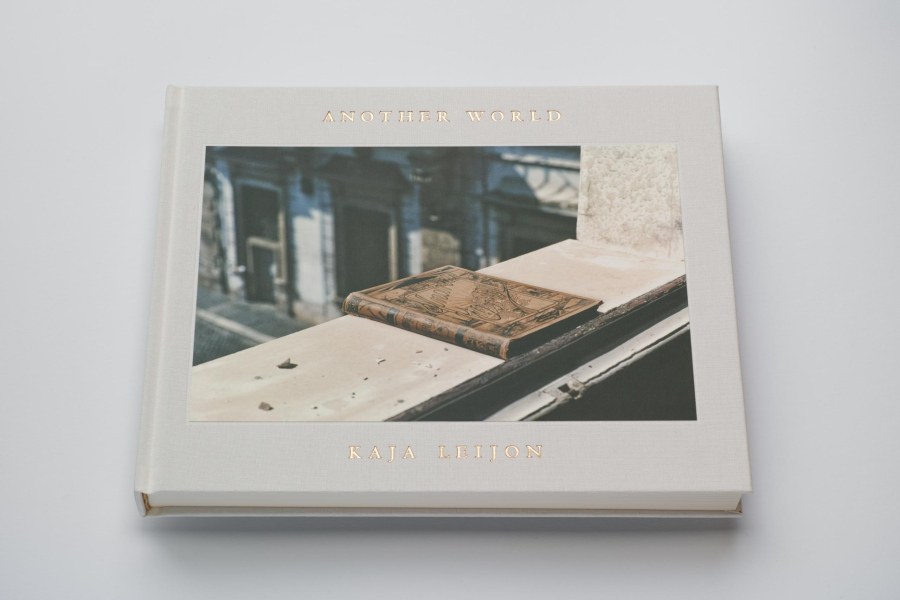
Another World
208 pages
Hardcover
Heavy Books
This five chapter publication examines the traces of history embedded in contemporary landscapes and how these imprints shape our perception of place, architecture, and cultural identity. The title points toward something beyond or behind our own reality, something that may have been or has yet to come. Through photography, we approach this alternate reality, where each exposure becomes a bounded moment, yet infinite in its interpretation. The world through a camera will always be another world.
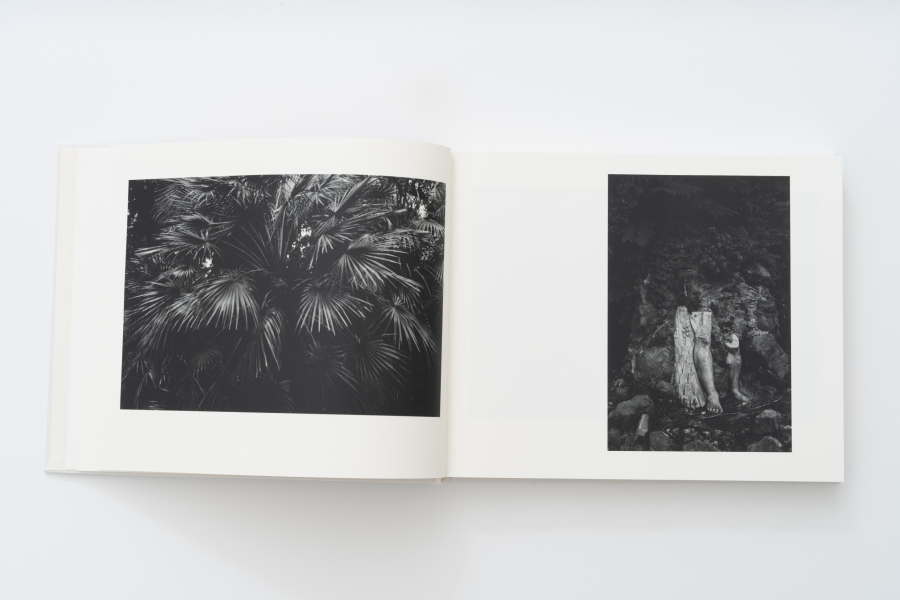
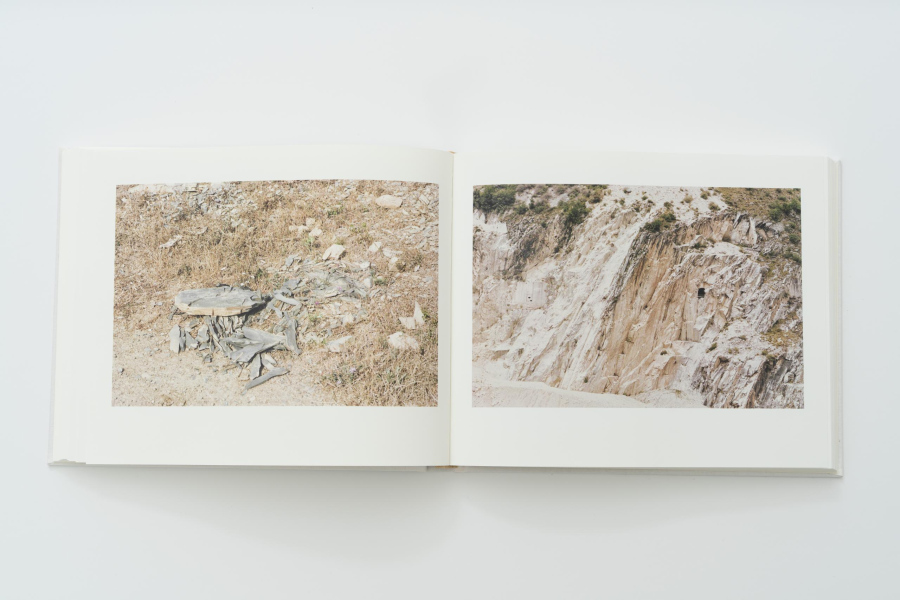
Kaja Leijon's work addresses how history marks landscape, landmarks and architecture, how the preservation of certain areas manifests their cultural value and shapes their potential, while other places suffer neglect and the intrusion of industrial logic and transactional culture. The photographs, gathered over the course of a decade, were taken in Rome and Liguria, around Villa Faraldi in the province of Imperia, as well as Berlin and Tenerife, documenting weathered historical monuments and vanished cultural landscapes. They capture the unique nature and culture that has survived late capitalism's exploitation of both culture and environment. What began as a journey through landscape evolved into a journey through time, transformation, and the act of seeing itself. Leijon elevates the abandoned and ignored, translating it into something new through the photographic language as channel and mandate. She is using photography not as a tool of reinvention, but rediscovery.
The images are made with 35mm and large format film, each overexposed and then pulled during development to reveal subtle nuances in the landscape. Every image is printed in the darkroom using an enlarger, then the prints are meticulously reproduced in studio with a specialized Foveon sensor camera, the only device capable of approximating the colors and tonal qualities of the analog material. This rigorous analog methodology is essential to the project's vision: a world threatened by virtual, electronic, and mechanical collective perception disconnected from authentic experience. Yet this premise remains nearly imperceptible; the work is meant to be experienced perceptually rather than literally. By avoiding instructive reading, the photographs as individual works, the book's totality, and the titles together communicate with the viewer's consciousness and nerve threads simultaneously, returning us to the primal function of the human being: to be a witness of existence.
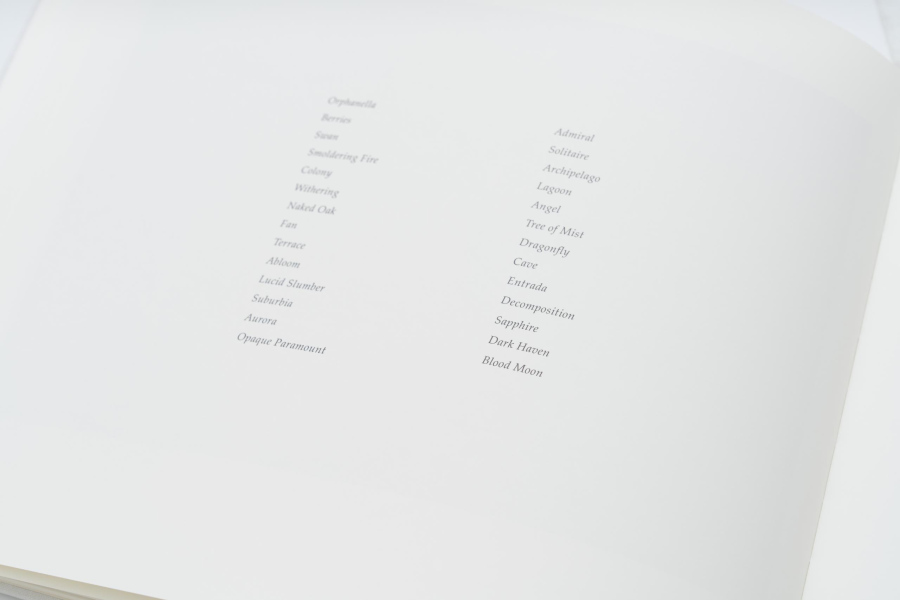
The five chapters (Another World, Dark Haven, White Dust, A Cry in the Sky, and Last Journey) form a composition built on rhythm, repetition, and juxtaposition. The book contains no text except chapter titles and individual image titles at the end of each section, forming poetic fragments that suggest rather than explain. When confronted with history in everyday life, it enables a reading of one's own era in perspective, a meditation on what happens when we are not bound to historical traces but float weightlessly in a collective dream tied only to the future.